Collecting, compared
Digital vs Physical Trading Cards
Physical cards are objects. You own them outright, and you can resell them for real money, but every pack costs money and condition decides much of their value. Digital cards cost less to collect, open instantly and trade with anyone. In most apps, though, they can never be sold for money, and they only exist while the app does.
If you want an asset, collect physical cards. If you want the collecting itself, often and cheaply, collect digital. Plenty of people do both.
Side by side
| Physical cards | Digital cards (in an app) | |
|---|---|---|
| Ownership | Yours outright, as an object | Tied to your account, under the app's terms |
| Sell for real money | Yes, on an open market (eBay, card shops, auctions) | No, except blockchain platforms like NBA Top Shot |
| Cost to collect | Every pack and single costs money | Usually free to start, with daily free routes to packs |
| Opening | Buy, ship or visit a shop, then open | Instant, any time |
| Scarcity | Print runs; serial-numbered parallels on some sets | Whatever the app states; some publish exact supply per card |
| Condition | Matters a lot. Graded by PSA, BGS or CGC | Every copy is identical and perfect |
| Trading | In person or by post, with trust and shipping | Instant, with anyone, inside the app |
| Biggest risk | Damage, loss, fakes, a falling market | The app shutting down, or changing its rules |
When physical is the right answer
If you want the card to be worth money later, it has to be physical or on a blockchain, and physical is by far the bigger market. The same goes if the object is the point: holding it, grading it, putting it on a shelf. Condition and grading are part of the hobby, and no digital version has an equivalent.
The costs are real. Every pack costs money, and the chase card in a set can be expensive to pull or buy. Cards can be damaged, and a collection needs storage. Prices also move with demand, sometimes quickly.
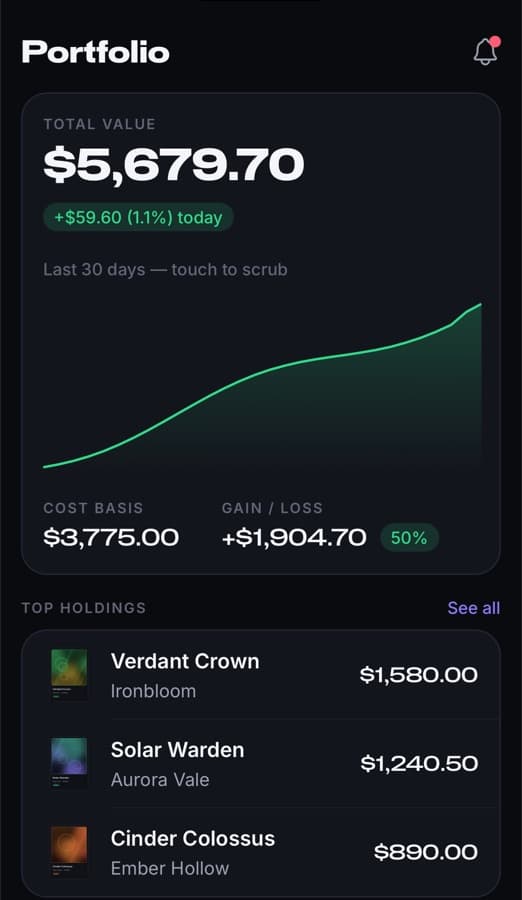
If you collect physical Pokémon cards, we make Stocked Up, which tracks a collection like a portfolio: live market values, camera scanning and price alerts. It is a tracker, not a game.
When digital is the right answer
If what you enjoy is opening packs, completing sets and trading, digital gives you far more of it for far less money. You can open something every day, trade with people anywhere, and in some apps collect subjects no physical set covers.
The trade-off needs saying plainly. In an ordinary app, you cannot sell the cards for money, and they exist only while the app does. Spend on a digital collection as you would on any game, not as you would on an investment. The full answer on what digital cards are worth includes what sets their price inside a game.

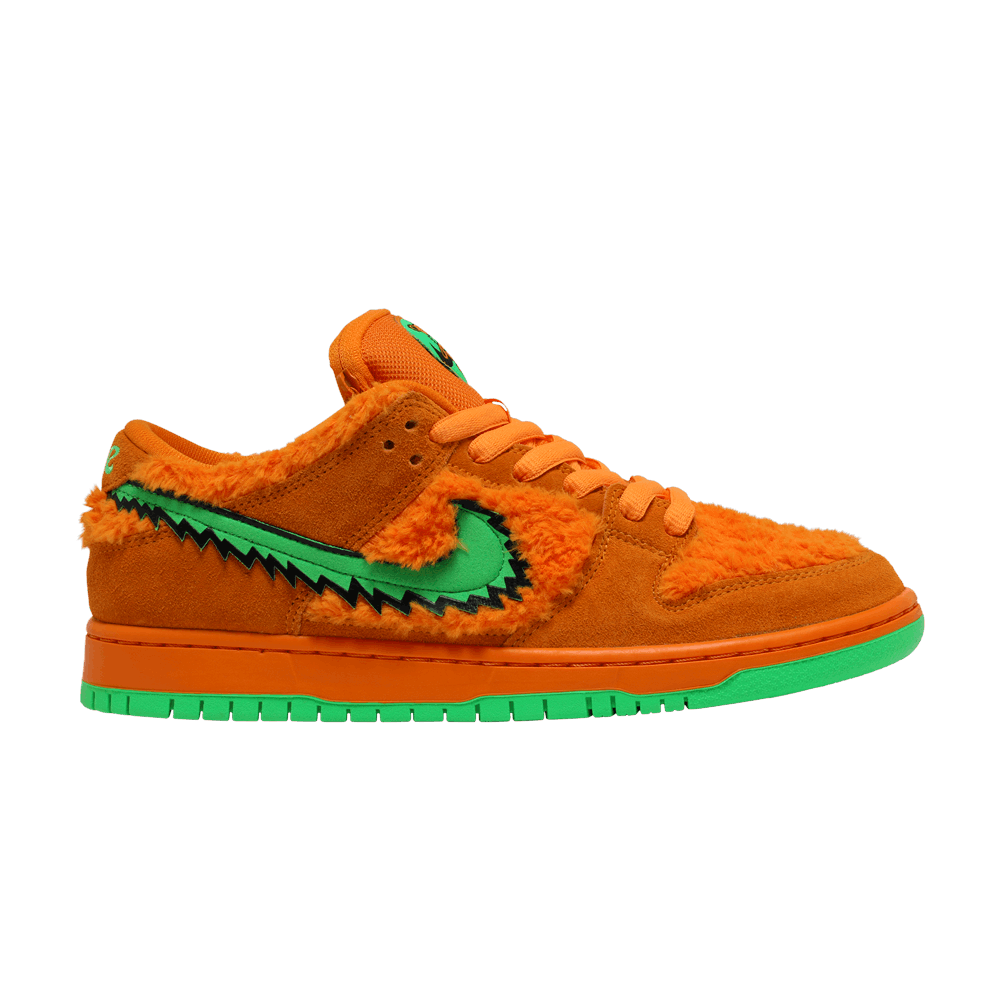
Digital apps work in different ways. Some are pure collecting games with no battles. Some are battle games where cards serve a deck, and some are blockchain marketplaces. Ours are collecting-first: Boxed Up for sneakers, Tuned Up for music and Filmed Up for films. They have an open player market in coins, published odds and no blockchain.
Doing both
The two do not compete for the same thing, which is why many collectors keep one of each. The physical collection is the one that holds value. The digital one is the one you open on the bus. If you are unsure, digital is the cheaper way to find out whether the collecting itself hooks you, before you spend on the physical version.
Questions people ask
- Are digital cards better than physical cards?
- Neither is better; they suit different collectors. Physical cards are owned outright, can be resold for real money and graded, but every pack costs money and they can be damaged or lost. Digital cards are cheaper or free to collect, open instantly and trade with anyone, but in most apps they cannot be sold for money and they disappear if the app shuts down. Choose physical for an asset, digital for the collecting itself.
- Do you own digital trading cards?
- Not in the way you own a physical card. In an ordinary app you hold a licence to use the cards inside that app, under its terms of service, and they are tied to your account. Blockchain-based cards such as NBA Top Shot record ownership on a ledger and can be sold, but they still depend on the platform for most of their use.
- Can digital trading cards be sold?
- Only on blockchain platforms with a real-money market, such as NBA Top Shot and Sorare. Cards in ordinary apps — Pokémon TCG Pocket, the Topps apps, Boxed Up and most others — can be traded with other players inside the app but not sold for money.
- What happens to digital cards if the app shuts down?
- In an ordinary app, the collection goes with it. This is the most important difference from physical cards, which exist whether or not the company that printed them does. It is worth weighing before spending much on any digital collection.
- Are physical trading cards a good investment?
- Some cards have held or grown in value and many have not; prices depend on the set, the card, how many were printed, grading and demand that can change quickly. This page cannot give financial advice. What is safe to say is that physical cards are the only kind here with a broad real-money resale market.
Related questions
- What is a card collecting game? — the category, and how it differs from battle games and card scanners.
- Are digital trading cards worth anything?
- Card collecting games without battles